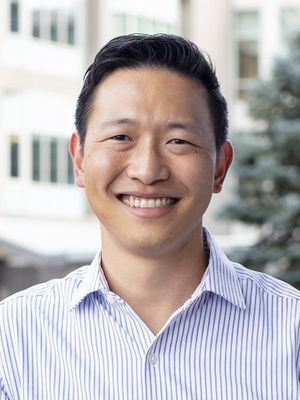
Andrew Park, MD
Physician Scientist - Director of Craig Hospital Biorepository
Abstract
Better Together - Decentralized Biorepositories Accelerating Translational Research in Spinal Cord Injury
Translational research in spinal cord injury remains at a pivotal crossroads, where the promise of pre-clinical discoveries must be rapidly and rigorously tested for human relevance. A major barrier to progress is the limited access to human biological samples and large-scale data, which are essential for validating new therapeutic targets and mechanisms. In fields like oncology, collaborative biorepositories have revolutionized the pace and impact of research, enabling high-throughput assessment of potential interventions. However, rehabilitation research in the United States faces unique challenges: clinical care and pre-clinical research centers often operate in silos, with disparate systems and care models that hinder the flow of samples, data, and ideas.
To address these barriers, we propose a sustainable decentralized biorepository model that integrates rigorous consent processes, standardized sample collection, and robust data management directly into clinical care. This approach allows clinical centers to systematically collect and store biological samples and associated data, which can then be shared with pre-clinical investigators pursuing promising lines of inquiry. By unifying these systems, we aim to accelerate the translation of laboratory discoveries into clinically meaningful interventions for individuals living with SCI.
Our case study at Craig Hospital demonstrates the feasibility and impact of this integrated strategy. Through ongoing collaborations with both clinical and pre-clinical partners, we have established protocols for sample processing, storage, and data sharing that uphold the highest ethical and scientific standards. We invite rehabilitation centers, research institutions, and community stakeholders to join us in expanding this network, fostering a culture of collaboration that breaks down traditional barriers and speeds the development of new treatments. Together, we can transform the landscape of SCI research and care, ensuring that the most promising discoveries reach those who need them most.
Bio
Dr. Andrew Park is a physician-scientist at Craig Hospital and Assistant Professor of University of Colorado Department of PM&R. Dr. Park’s work bridges clinical care and research to improve long-term health outcomes for individuals with SCI, with a focus on cardiovascular disease risk. His research investigates endothelial dysfunction and its role in accelerated cardiovascular disease among people with SCI, supported by funding from organizations such as the Department of Defense, Craig H. Neilsen Foundation, Paralyzed Veterans of America. Dr. Park also found and directs the Craig Hospital Biorepository. Clinically, Dr. Park is the Director of Craig Hospital spasticity clinic, provides inpatient rehabilitation coverage, and longitudinal outpatient SCI care.