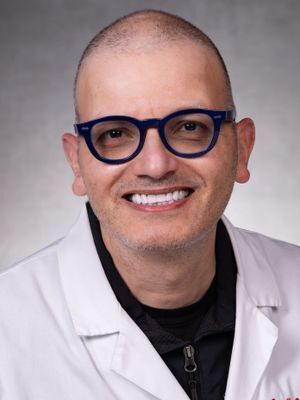
Camilo Castillo, MD, MBA
SCI Medical Director & Professor, University of Louisville
Abstract
Advancing Spinal Cord Injury Research Amidst the Current U.S. Healthcare Landscape: Beyond the Ramp
The pursuit of transformative therapies for spinal cord injury (SCI) faces significant hurdles within the evolving U.S. healthcare system. While scientific progress in neuroregeneration, neuromodulation, and rehabilitation continues to accelerate, systemic barriers—such as fragmented care delivery, reimbursement limitations, and disparities in access—threaten to slow translation from bench to bedside. This presentation will explore the intersection of SCI research and healthcare policy, highlighting how current reimbursement models, regulatory frameworks, and insurance constraints impact clinical trial design and patient participation. We will discuss strategies to align research priorities with real-world care pathways, including fostering multi-stakeholder collaborations, advocating for policy reforms, and leveraging value-based care.
Bio
Dr. Camilo M. Castillo is a Full Professor of Neurosurgical Surgery at the University of Louisville and Program & Fellowship Director for the Spinal Cord Injury (SCI) Program at UofL Health Frazier Neuroscience and Rehabilitation Centers. He leads an Integrated Practice Unit (IPU) model that uses nurse navigators to optimize care for SCI patients across the acute and long-term phases. A faculty member of the Kentucky Spinal Cord Injury Research Center (KSCIRC), Dr. Castillo is the Principal Investigator for Onward Empower BP, a pioneering study targeting orthostatic hypotension in SCI. He has conducted innovative research on virtual reality for SCI rehabilitation, including collaborations with NASA’s AFTE software. Dr. Castillo founded the Americas Committee at ASIA and currently serves on ASIA’s Board of Directors, promoting global cooperation in SCI care. He has published extensively and presented internationally on SCI outcomes, health equity, and advanced rehabilitation strategies.