Marilyn Smith
Co-Founder and Former Executive Director, Unite 2 Fight Paralysis
Abstract
A Seat at the Table
Unite 2 Fight Paralysis (U2FP) was founded in 2005, a year after the death of Christopher Reeve. With his passing, the spinal cord injury (SCI) community lost its fiercest advocate. Reeve had challenged conventional thinking about how to treat persons with SCI, and what recovery could be achieved with greater investment in research. Feeling an enormous sense of loss, a handful of people living with SCI decided to organize a rally in Washington, DC, to advocate for passage of the Christopher Reeve Paralysis Act.
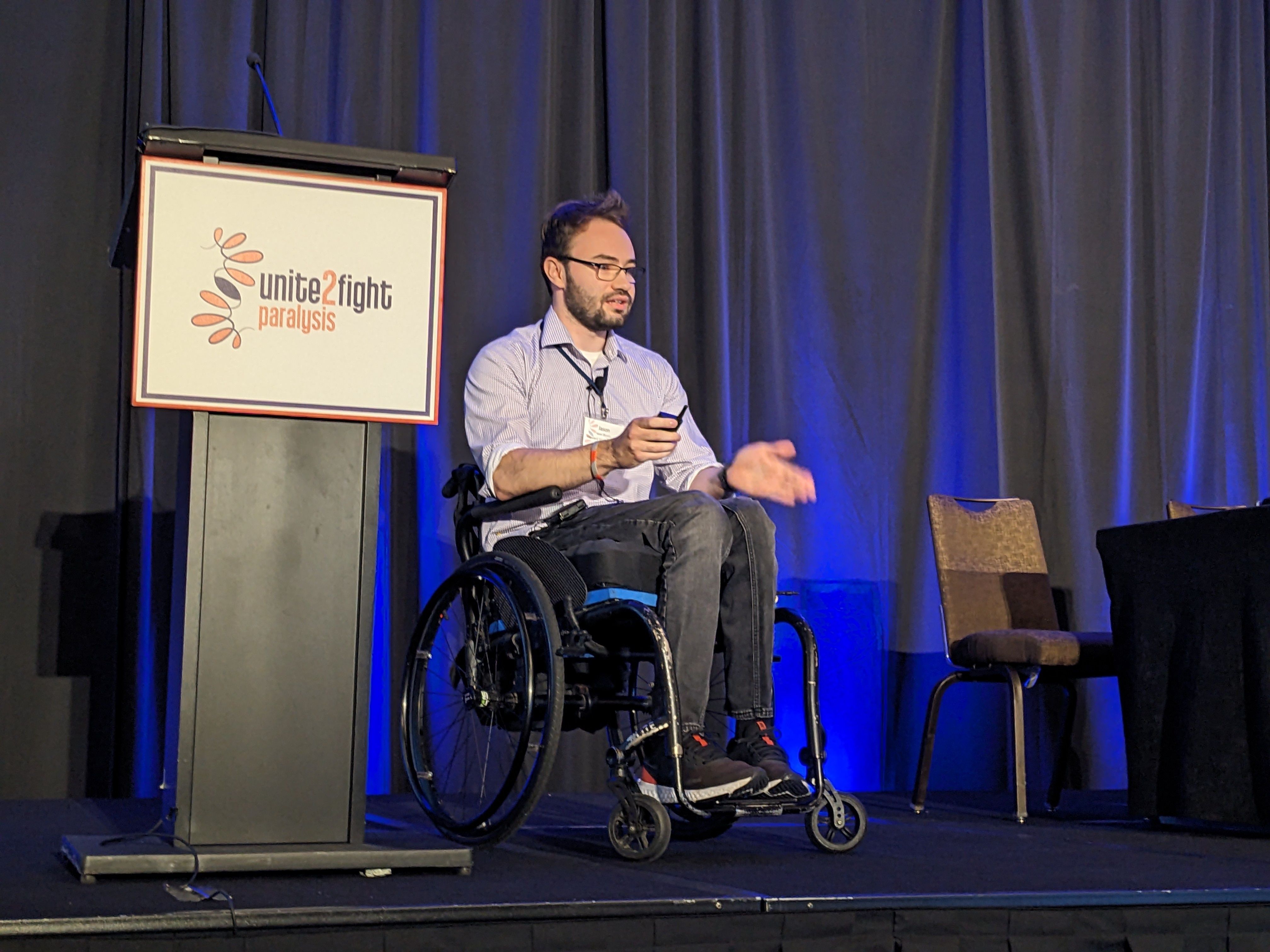
Momentum from the rally propelled the organizers to start U2FP; its mission was to empower members of the SCI community to become advocates for scientific research and clinical solutions leading to curative treatments. Having no startup funds and being relatively unknown to grantmakers, the early leaders relied on thousands of volunteer hours and sweat equity to create value and recognition for the organization. This presentation is the story of how U2FP was built from the ground up, determined to ensure that persons living with spinal cord injury have a seat at the table when decisions are made about research and treatments that will determine their futures.
Bio
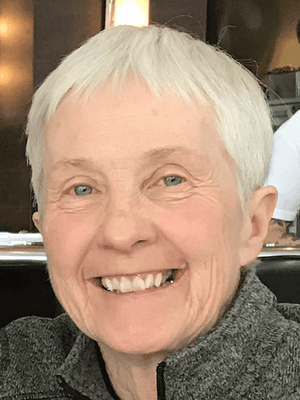
Marilyn graduated from the University of Michigan and spent many years as both a volunteer and employee in the world of advocacy and nonprofits. In 2002 her son sustained a C6-7 spinal cord injury, forever altering the course of his and his family’s lives. Following the death of Christopher Reeve in 2004, Marilyn and several other members of the SCI community organized a rally in Washington, D.C., advocating for passage of the Christopher Reeve Paralysis Act.
In 2005, three of the rally organizers joined forces to create Unite 2 Fight Paralysis (U2FP). In 2006, the rally grew into a 3-day Science and Advocacy Symposium, bringing together scientists, clinicians, people with lived experience, and community supporters. Marilyn became U2FP’s first Executive Director in 2009, guiding its growth into an internationally-recognized leader in the effort to advance research and translate it into meaningful treatments for persons with SCI. She retired in 2019.