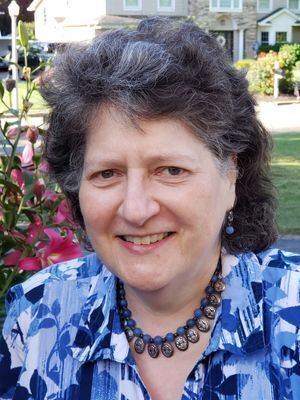
Naomi Kleitman, PhD
Senior Vice President of Grants and Research, Craig H. Neilsen Foundation
Abstract
Then and Now, Learning from Each Other
In 2006, I was fortunate to attend and speak at the first Unite to Fight Paralysis conference; I’m honored to help look back at “What We’ve Learned” over that time. The focus then was on surgical and cellular therapies to limit the damage and repair the spinal cord through regeneration. Weight-supported treadmill training was fairly new, and most laboratory scientists interested in SCI were just beginning to learn about moving from rodent studies to clinical trials. There was, and still is, concern about sale of unregulated “therapies” that do more harm than good. In the ensuing 20 years, an important dialog was developed between the academic scientists, clinical trialists who
know how to safely test new therapies, and people with SCI whose needs and interests are now helping set the agenda. Spine surgeons showed the value of operating soon after SCI to limit ongoing damage. Clinical teams across Europe and North America documented patterns of recovery after different kinds of SCI, helping improve the design of future trials. Rehabilitation experts developed “patient reported outcomes” and measures of high priority autonomic health (bladder, bowel, metabolic and sexual functions), so much more research is now directed to improving these functions and managing chronic pain, in addition to restoring movement. Engineers engaged with biologists to develop muscle and spinal stimulation strategies to reveal hidden neural connections and built brain-computer interfacing systems. The Neilsen Foundation focused attention on psycho-social issues addressing social participation, mental health,
peer and care partners, as well as building resilience (emotional, physical, education and workplace). While cell and drug trials have shown some benefits, we also learned the importance of activating those new and surviving nerves, striving to reach all the recovery a person’s injury allows—through rehabilitation, adaptive activities, and promoting mindfulness and participation.
Bio
The Neilsen Foundation is the largest nonprofit funder of spinal cord injury (SCI) research, community, and educational grants. Naomi provides strategic guidance to the Neilsen Foundation and the field, and is a Fellow of the American Spinal Injury Association. From 2001–2012, Naomi administered the spinal and peripheral nerve injury portfolios at the NIH/NINDS, developing strategies to restore function with a focus on moving from animals to clinical studies through rigorous translational SCI research. Naomi has worked closely with FDA/CBER, CDMRP SCI Research Program, the Spinal Cord Outcomes Partnership Endeavor, and many other groups’ advisory committees. Earlier, at The Miami Project to Cure Paralysis, she cultivated rat and human Schwann cells for transplantation and served as the Scientific Liaison, encouraging interaction between clinicians, rehabilitation and basic researchers, as well as informing the public, patient groups, and the media about progress in SCI research.