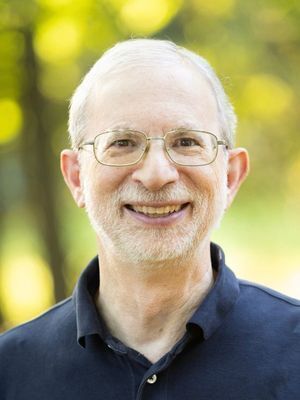
Steven Kirshblum, MD
Chief Medical Officer - Kessler Institute for Rehabilitation
Professor and Chair of Physical Medicine and Rehabilitation at Rutgers NJ Medical School
CMO and Co-Director, Centers for Spinal Stimulation Research, Kessler Foundation
Abstract
35 Years of Change in Spinal Cord Injury Care: Reflections on Progress, Purpose, and Hope
From the clinical perspective, over the past three decades, the field of spinal cord injury (SCI) medicine has undergone substantial transformation in epidemiology, clinical practice, rehabilitation strategies, and technological capability. Since the early 1990s, changes have occurred in acute management, demographics, long-term care pathways, and healthcare systems. Advances in research have reshaped clinical practice, and improved diagnostic tools and imaging have contributed to greater understanding of injury mechanisms, prognostication, and clinical decision-making. The rapid evolution of technology has had a significant impact on rehabilitation, and will continue to play a role through the development of neuromodulation, robotics, brain–computer interfaces, and virtual platforms. These scientific and clinical advances have emerged alongside broader shifts in healthcare regulation, health economics, and societal expectations for participation and reintegration.
However, not all changes have conferred clear benefit. For example, reductions in length of stay and healthcare efficiencies may have introduced challenges for patients, families, and providers, with implications for continuity of care. Despite the magnitude of transformation in SCI care delivery and research capability, the foundational elements of high-quality rehabilitation have remained constant. The essential principles, including collaboration, communication, patient and family engagement, and the therapeutic alliance, continue to define excellence in practice.
Looking ahead, the future of SCI care must balance continued innovation, the integration of artificial intelligence and emerging technologies into clinical workflows, and the pursuit of neurorecovery strategies with a sustained commitment to the human experience of injury and recovery. Ultimately, while the tools and techniques have evolved, the core mission remains unchanged: advancing function, independence, and quality of life for individuals living with spinal cord injury.
Bio
Steven Kirshblum serves as the chief medical officer (CMO) for Kessler Institute for Rehabilitation, Professor and the Chair of the Department of Physical Medicine and Rehabilitation at Rutgers New Jersey Medical School, and the CMO and co-director of its Centers for Spinal Stimulation Research for the Kessler Foundation. He is one of the first board certified physicians in SCI Medicine, has been the SCI fellowship program director since 1995, and is the Co-director of the Northern New Jersey Model Spinal Cord Injury System. He has published widely, including just completing the 4th edition of the textbook Spinal Cord Medicine, and has been involved in SCI care and translational research for more than three decades.