September 3, 2026
Elizabeth Fetter - Donor Spotlight
Elizabeth Fetter
I joined the spinal cord injury club at 17. It was the summer between my junior and senior year of high school. I was a tennis player, the captain of my team and I was working as a counselor-in-training at a tennis camp. There was a game called counselor hunt, like hide and seek. I climbed a very tall tree and fell about 40 feet, breaking my back.
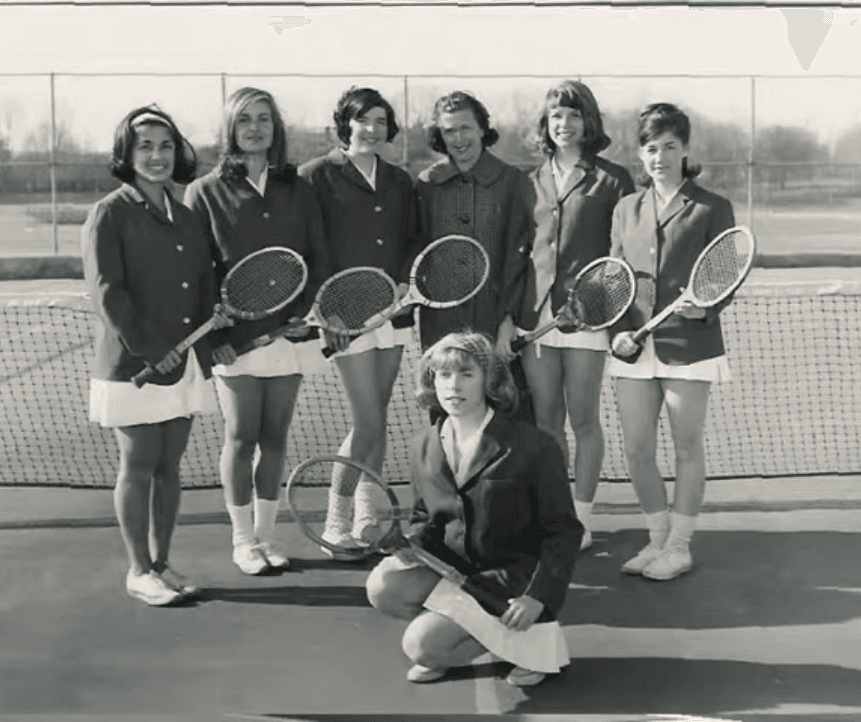
Me with my tennis team during my junior year before my spinal cord injury - I had just been elected team captain.
I spent my senior year in the hospital and rehab but graduated with my class anyway. I went to college that fall, still in sync with all of my classmates. This was way before the ADA. I was the first spinal cord injured person I had ever met.
That was 61 years ago.
In the decades since, I've been a Paralympic javelin thrower and a wheelchair tennis player. I became a White House Fellow, one of only two spinal cord injured people in the history of this program, at the time. I have also worked as a professional advocate for deaf, blind, and physically disabled people in Texas.
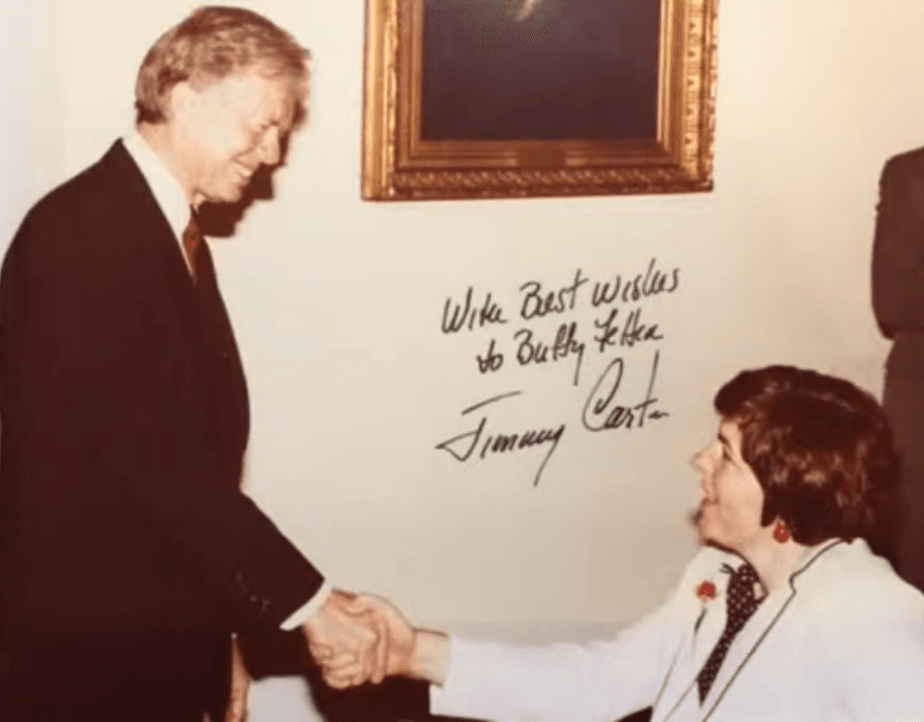
President Jimmy Carter shaking hands with me after my time serving as a White House Fellow.
I am also a mom and someone who has spent a lifetime pushing back against the two images society loves to project onto disabled people: pity and inspiration. I don't want either one. I want to be a peer.
I’m a firm believer that some type of inner healing work is critical for people with SCI, as our margin for error is so thin. After seventeen years of suppressed emotions, a canoeing incident I had in Canada triggered an emotional implosion that led to many years of difficult but critical healing work. It saved my life. If we don’t learn to take care of ourselves, the consequences could be dire, both from a mental and physical health perspective. It sounds simplistic, but it has had ramifications in my everyday life that are profound.
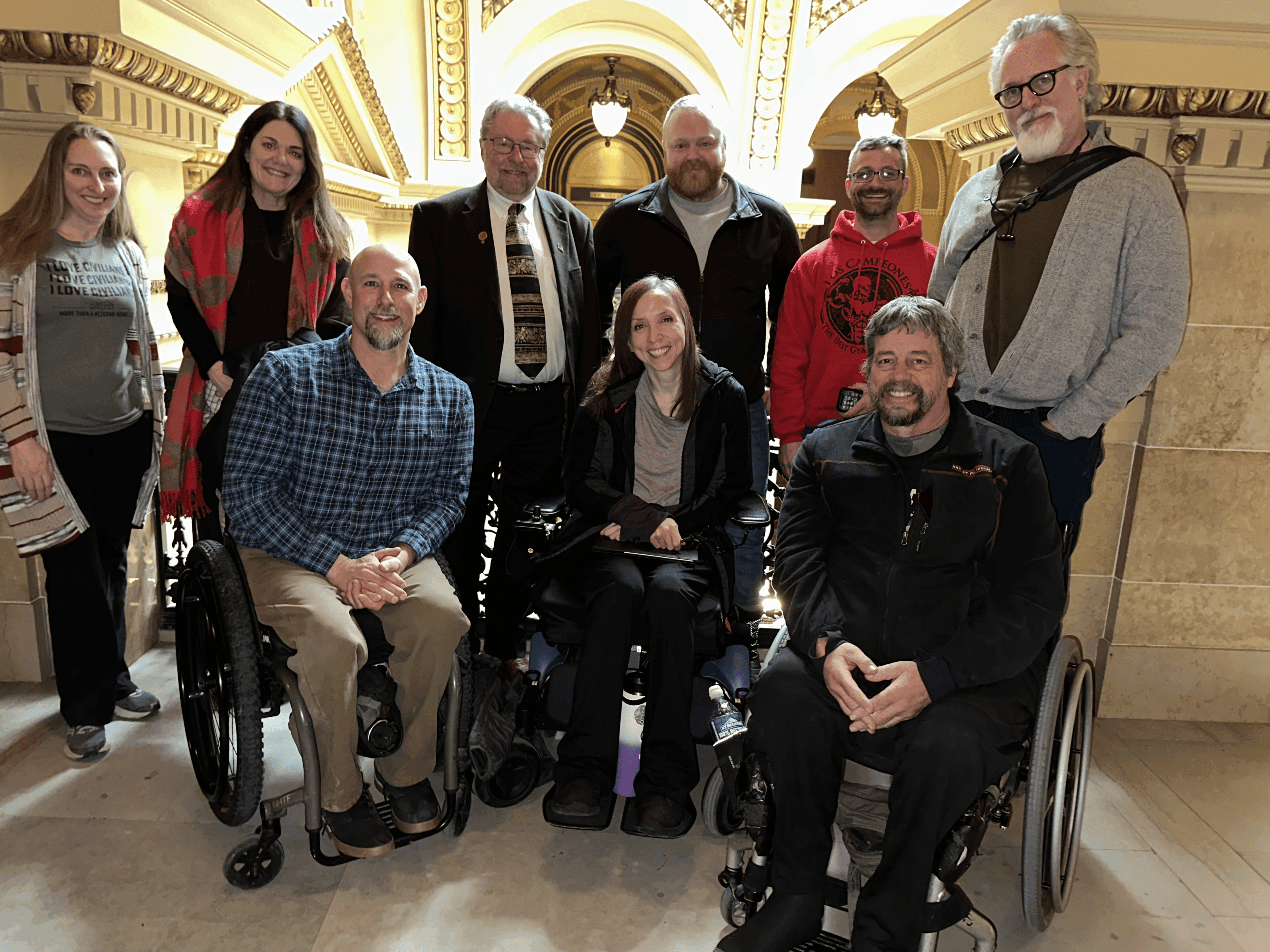
I found U2FP through a mutual friend of Matthew Rodreick. We met and had lunch together while I was on a trip to Minneapolis. I live half of the year on the east coast, so in 2026 I joined the 20th Annual Science and Advocacy Symposium in Washington D.C. My focus for most of my life had been on disability rights and care — not on a cure. Cure felt abstract after 60 years. But sitting in that conference room and visiting legislative offices, shifted something for me.
Someone has to be in those rooms on Capitol Hill! Someone has to make the case, over and over, to staffers who often know almost nothing about spinal cord injury research. U2FP is that someone.
What I know after six decades is this: change doesn't happen by itself. You have to show up. You have to advocate — for yourself, and for others. You have to find the people who catch the ball and run with it. U2FP is full of those people.
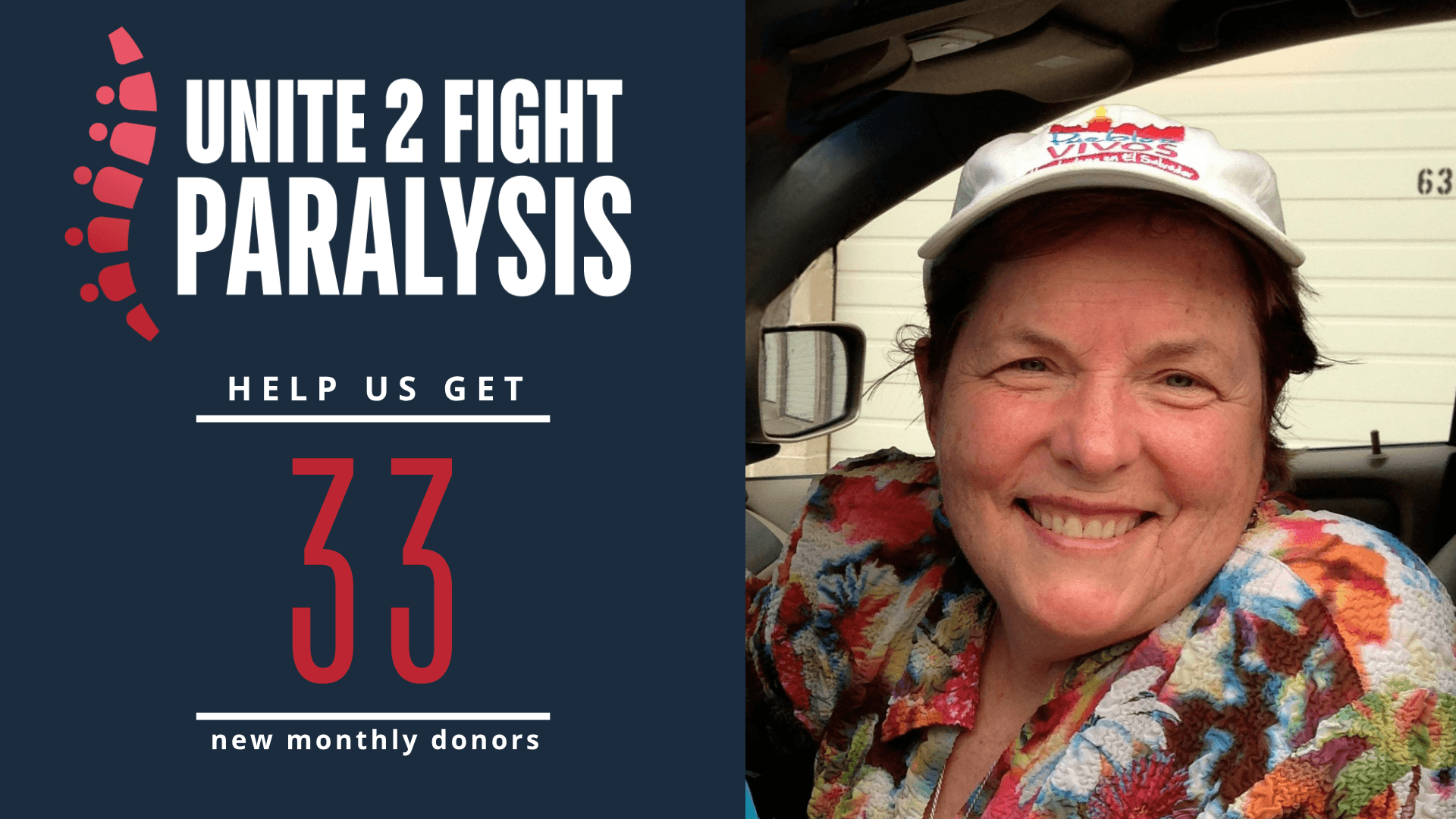
I give regularly because this work matters and because consistent support is what keeps it alive. If you've been thinking about becoming a donor — stop thinking — become one! You can give monthly or at any other interval that works for you. Consistency is what matters. (I began giving regularly via my IRA's Qualified Charitable Distribution because it is the simplest for me.)
The advocacy, the research coordination, the community building — none of it runs on grants. It runs on people deciding it's worth showing up for. I've been showing up for 61 years and I'm not stopping now.
PS - The inner healing work I mentioned above is dealt with in my upcoming memoir, due to be published June 2027. It outlines my healing journey with themes of forgiveness, the “disease to please” and many gifts of grace. Head to my website if you are interested in more details.