
SCI Ventures (Episode 134)
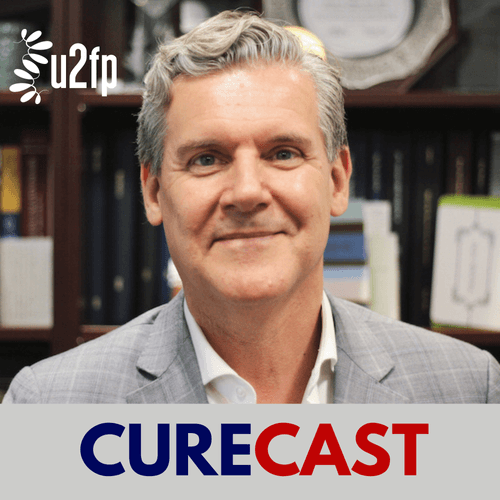
Guest: Michael Fehlings
In this conversation, Dr. Michael Fehlings discusses his journey into neurosurgery, focusing on spinal cord injury and the challenges of balancing clinical practice with research. He emphasizes the importance of community collaboration and innovative approaches in clinical trials, particularly in the context of regenerative medicine. Dr. Fehlings also highlights the significance of understanding secondary injuries and the impact of Riluzole in spinal cord injury treatment. He advocates for a global statistical framework to analyze outcomes and the need for a collective voice in the spinal cord injury community. As the editor-in-chief of Spinal Cord journal, he aims to engage new constituencies and shape the future of spinal cord injury research.
Listen on: Spotify | Apple Podcasts | Soundcloud
Bumper music: Dig a Hole by Freaque
Guest Bio
Michael Fehlings, MD, PhD, FRCSC, FACS, FRSC, FCAHS, is the Vice Chair Research for the Department of Surgery at the University of Toronto and a Neurosurgeon at Toronto Western Hospital, University Health Network. Dr. Fehlings is a Professor of Neurosurgery at the University of Toronto, holds the Robert Campeau Family Foundation / Dr. C.H. Tator Chair in Brain and Spinal Cord Research at UHN, is a Senior Scientist at the Krembil Brain Institute and is Editor-in-Chief of Spinal Cord. In the fall of 2008, Dr. Fehlings was appointed the inaugural Director of the University of Toronto Neuroscience Program (which he held until June 2012) and is currently Co-Director of the University of Toronto Spine Program. Dr. Fehlings combines an active clinical practice in complex spinal surgery with a translationally oriented research program focused on discovering novel treatments to improve functional outcomes following spinal cord injury (SCI). He has published over 1,100 peer-reviewed articles (h-index 135; cited over 75,000 times) chiefly in the area of central nervous system injury and complex spinal surgery. His seminal 1991 paper, cited over 2,200 times, outlined the severe and lasting consequences of SCI due to a cascade of secondary injury mechanisms following the initial trauma. His research on secondary injury mechanisms ultimately led to the commencement of the multicenter, international Surgical Timing in Acute Spinal Cord Injury Study (STASCIS), aimed at establishing the need for early surgical decompression to prevent the negative effects of the secondary injury cascade. His work examining the use of regenerative approaches including neural stem cells to repair the injured nervous system has led to numerous international awards and has helped lead the field toward clinical translation in this area. Dr. Fehlings has published in prominent journals such as Nature, Nature Neuroscience, Lancet Neurology, and Science Translational Medicine.
Dr. Michael Fehlings has received numerous prestigious awards including the Gold Medal in Surgery from the Royal College of Physicians and Surgeons (1996), nomination to the Who’s Who list of the 1000 most influential scientists of the 21st century (2001), the Lister Award in Surgical Research (2006), the Leon Wiltse Award from the North American Spine Society for excellence in leadership and/or clinical research in spine care (2009), the Olivecrona Award (2009) -- the top award internationally for neurosurgeons and neuroscientists awarded by the Nobel Institute at the Karolinska Institute in Stockholm for his important contributions in CNS injury repair and regeneration, the Reeve-Irvine Research Medal in Spinal Cord Injury (2012), the Golden Axon Leadership Award (2012), the Mac Keith Basic Science Lectureship Award for significant contributions to the basic science of cerebral palsy and childhood onset disabilities (2012), and was the Mayfield Lecturer (2012). In 2012, Dr. Fehlings served as the 40th President of the Cervical Spine Research Society (CSRS) -- the only Canadian to do so -- and was honoured with the CSRS Presidential Medallion for outstanding leadership and contributions to cervical spine research. In 2013, Dr. Fehlings was honoured with the Queen Elizabeth II Diamond Jubilee Medal presented to him by the Honourable Stephen Harper, the H. Richard Winn Prize from the Society of Neurological Surgeons, the Jonas Salk Award for Scientific Achievements from the March of Dimes Canada and the Henry Farfan Award from the North American Spine Society. In 2014, Dr. Fehlings was elected to the Fellowship of the Royal Society of Canada and to the Canadian Academy of Health Sciences, and in 2016 won the Royal College of Physicians and Surgeons Mentor of the Year Award. In 2019, the Right Honourable Jacinda Ardern, Prime Minister of New Zealand, presented him with the Ryman Prize for his work enhancing the quality of life for older people. He also received the Vilhelm Magnus Medal (2019) for his contributions to the neurosurgery field and the American Spinal Injury Association Apple Award (2016 & 2022) for excellence in spinal cord injury research publishing. In 2025 Dr. Fehlings was awarded the King Charles III Coronation Medal in recognition of significant contributions and service to Canada.
Check out the latest books from Dr. Fehlings:
- Neural Repair and Regeneration after Spinal Cord Injury and Spine Trauma
- Degenerative Cervical Myelopathy: From Basic Science to Clinical Practice
Connect with Michael Fehlings here:
- Twitter: @DrFehlings
- Website: University of Toronto - Michael Fehlings
Related Resource
-
Recently published paper by Dr. Fehlings on the impact of the drug Riluzole in spinal cord injury treatment.
This Episode Sponsored By: